Physiotherapy vs. Osteopathy – Differences & What to Know
Physiotherapy or osteopathy? This article explains the differences, similarities, and areas of application of both therapies — and helps you find the right treatment for your situation.
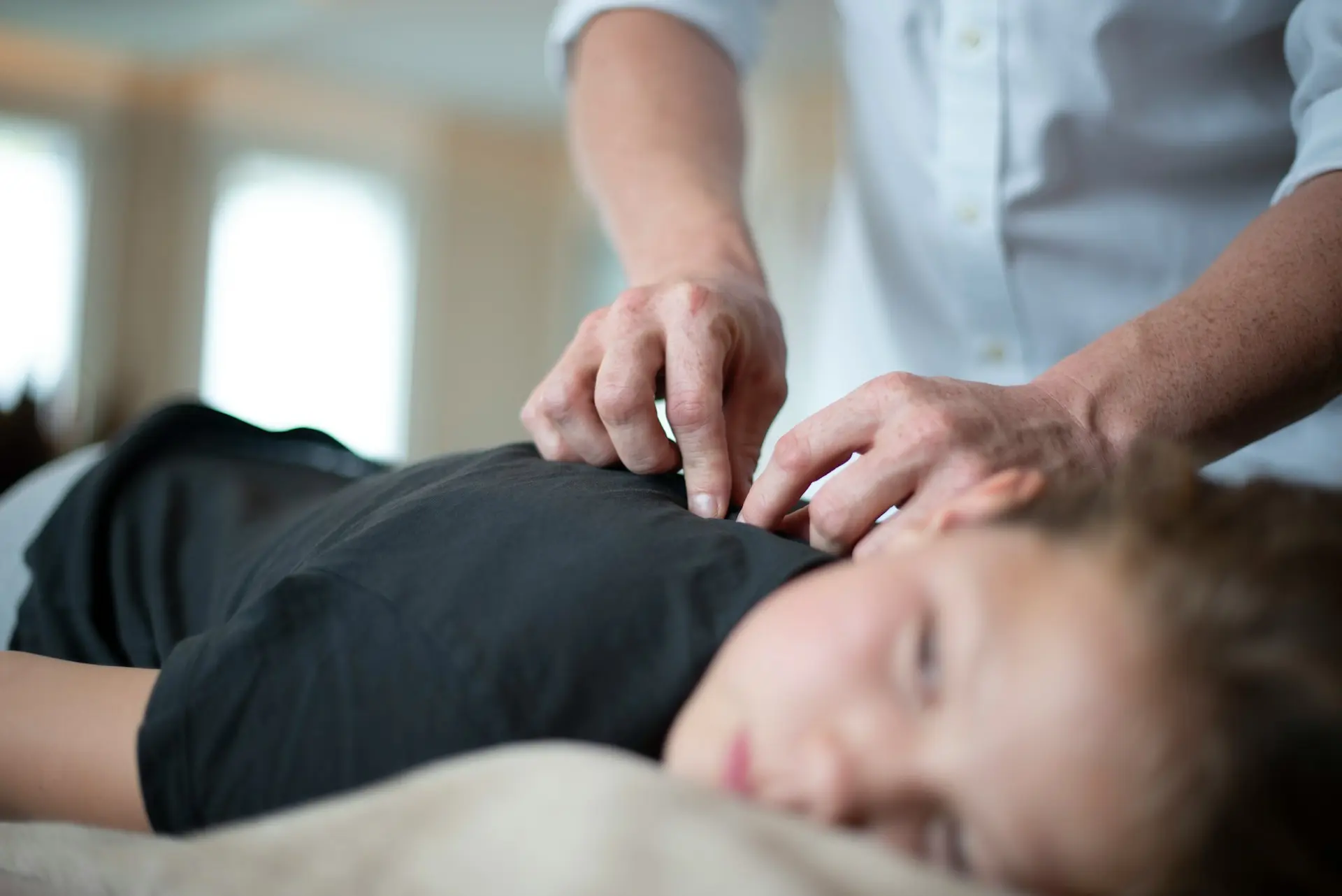

Table of Contents
When you have back pain, neck tension, or headaches, many patients ask themselves:
Physiotherapy or osteopathy — what's the difference, and which approach makes sense for my situation?
Both therapies work manually and aim to relieve symptoms while supporting mobility and function. Yet they differ significantly in their approach, treatment process, and areas of application.
This article gives you a clear, practical overview — so you can make an informed decision together with your therapist or doctor.
What is osteopathy?
Osteopathy is a holistic manual therapy that views the body as a functional unit. It is based on the understanding that different body systems — muscles, joints, fascia, internal organs, and the nervous system — are interconnected and influence each other.
Osteopaths assess and treat exclusively with their hands. Treatment is generally gentle, individual, and guided by your specific findings. We are happy to advise you personally at our practice in Berlin Mitte.
What is physiotherapy?
Physiotherapy is a recognised medical treatment, often carried out on the basis of a doctor's referral. It aims to treat or prevent movement and functional disorders.
Goals of physiotherapy:
- Improving mobility, strength, and coordination
- Supporting rehabilitation after injuries or surgery
- Relieving symptoms caused by functional limitations
Typical methods include: therapeutic exercise, manual therapy, active training, mobilisation, and stretching. Active participation from patients is a core element of treatment.
Comparing the two approaches
Osteopathy looks at the body as a whole. The assessment includes not only the painful area but also functionally connected structures — with the goal of identifying relationships that may be contributing to your symptoms.
Physiotherapy combines manual techniques with active exercise programmes. It focuses on clearly defined functional disorders — such as those following injuries, surgery, or muscular imbalances.
What both approaches have in common
Despite their differences, both share important similarities: manual treatment techniques, individual adaptation to each patient, a shared goal of improving function and mobility, and guidance on everyday movement and prevention. Depending on the situation, both therapies can complement each other effectively.
What makes osteopathy distinctive
Osteopathic treatment includes specialised manual techniques — among them mobilisation of joints and the spine, fascial and connective tissue work, visceral techniques for the internal organs, and cranial techniques involving the skull and nervous system.
What makes physiotherapy distinctive
Physiotherapy places a strong focus on active rehabilitation: muscle strengthening, stabilisation, coordination training, and practising everyday movement patterns. It is particularly appropriate when structured rehabilitation programmes are required.
Costs & reimbursement
Physiotherapy is covered by statutory health insurance when prescribed by a doctor.
Osteopathic treatment is not a standard benefit of statutory health insurance. However, many insurers reimburse a portion of costs — the exact conditions vary. Private health insurance frequently covers osteopathy in full. It is worth checking with your insurer before starting treatment. We are happy to advise you personally about osteopathic treatment at our practice.
Can osteopathy and physiotherapy replace each other?
No — they are different, complementary approaches. When structured rehabilitation is needed, physiotherapy is often the right choice. For functional or longer-standing complaints, osteopathy can be a valuable addition. In many cases, a combination of both works best.
Which therapy is right for me?
This depends on the nature and duration of your symptoms, existing diagnoses, and your personal treatment goals. For acute injuries or post-surgery recovery, physiotherapy is frequently recommended. Osteopathy can be a meaningful complement — particularly for functional or chronic complaints.
We look forward to advising you personally at our practice in Berlin Mitte.
Häufige Fragen
Ja, in vielen Fällen können sich beide Therapieformen sinnvoll ergänzen.Welche Kombination geeignet ist, hängt von den individuellen Beschwerden und dem Behandlungsziel ab und sollte gemeinsam mit den behandelnden Fachpersonen abgestimmt werden.
In der Regel ist für eine osteopathische Behandlung kein Rezept erforderlich.Einige gesetzliche Krankenkassen verlangen jedoch für eine Kostenerstattung eine ärztliche Empfehlung. Informieren Sie sich dazu am besten vorab bei Ihrer Krankenkasse.
Osteopathische Behandlungen sind in der Regel sanft. Empfindungen können individuell unterschiedlich sein. Die Behandlung erfolgt stets angepasst an den jeweiligen Befund und das persönliche Empfinden.


