Microbiome & Gut Issues
Bloating, irritable bowel, or food intolerances? Learn how your microbiome influences gut health and how we can support you at our practice in Berlin Mitte.
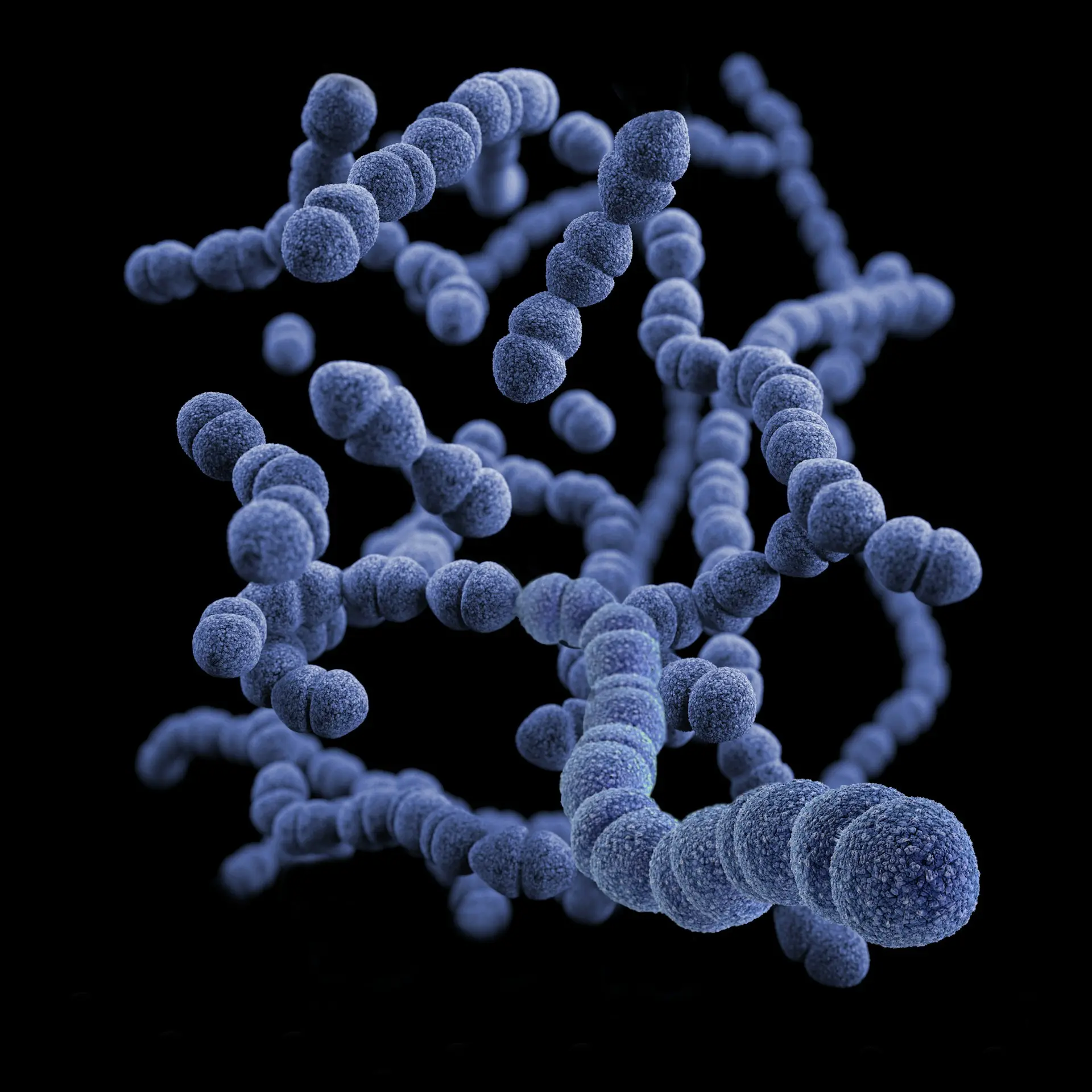

Table of Contents
Why Your Gut Microbiome Is Crucial for Health, Digestion, and Well-Being
Bloating, abdominal pain, diarrhea, constipation, or a persistently sensitive gut are a daily reality for many people. These symptoms often persist for years. Many sufferers have undergone numerous examinations and still haven't found a lasting solution. Modern medicine is making it increasingly clear: a central key to understanding many gut problems lies in the gut microbiome.
In this article, you'll find scientifically grounded yet accessible information about what the microbiome is, why it matters so much for your health, how a microbiome imbalance develops, and what you can concretely do about it. The focus is particularly on people with digestive issues.
1. What Is the Microbiome?
The term microbiome describes the totality of all microorganisms — primarily bacteria, but also viruses, fungi, and so-called archaea — as well as their genetic material within a specific habitat. The human gut harbors the largest share of these microorganisms.
Current scientific estimates suggest that the human gut contains:
- tens of trillions of microorganisms
- a total microbial mass of approximately one to two kilograms
- a genetic diversity that exceeds that of human DNA many times over
These enormous numbers make one thing clear: the microbiome is no side issue. It performs essential functions for our health. In science, it is therefore increasingly regarded as a functional organ.
2. How Is a Healthy Gut Microbiome Structured?
A healthy microbiome does not look the same in everyone. There is no fixed ideal. What matters are certain fundamental characteristics:
- High bacterial diversity
- A stable balance between different bacterial groups
- Good functional performance
The quantitatively most important bacterial phyla in the gut are:
- Firmicutes
- Bacteroidetes
- supplemented by Actinobacteria and Proteobacteria
Studies clearly show: people with high microbial diversity have a lower risk of inflammatory, metabolic, and functional gut diseases. Low diversity, on the other hand, is associated with irritable bowel syndrome, chronic inflammation, and metabolic disorders.
3. Core Functions of the Microbiome
3.1 Digestion and Nutrient Utilization
Many components of our food — particularly dietary fiber and plant-based secondary metabolites — cannot be digested by the human body alone. This is where gut bacteria come in.
They ferment these food components and in doing so produce so-called short-chain fatty acids (SCFAs):
- Butyrate
- Acetate
- Propionate
Butyrate plays a particularly important role:
- It is the primary energy source for cells of the intestinal mucosa
- It has anti-inflammatory effects
- It strengthens the gut barrier and supports its regeneration
Reduced butyrate production is associated with irritable bowel symptoms, chronic inflammatory bowel diseases, and a weakened gut barrier.
3.2 The Gut Barrier and Permeability
The intestinal mucosa forms a highly specialized barrier between the gut contents and the bloodstream. This barrier consists of:
- A single-layer cell lining
- A protective mucus layer
- So-called tight junctions that seal the intestinal cells together
A healthy microbiome actively supports this barrier function. In the case of a microbiome imbalance, increased permeability can develop — in the scientific literature, this is referred to as increased intestinal permeability.
As a result, bacterial components and pro-inflammatory substances can more easily enter the body and promote systemic inflammation. This mechanism is associated with numerous chronic diseases.
3.3 Influence on the Immune System
Approximately 70 percent of our immune system is located in the gut. The microbiome plays a decisive role in the development and regulation of immune defense.
Gut bacteria:
- Train the immune system from early life onward
- Promote a balanced immune response
- Prevent excessive inflammatory reactions
A disrupted gut flora is associated with allergies, autoimmune diseases, and chronic inflammatory processes. This explains why gut health is relevant far beyond the digestive tract.
3.4 The Gut-Brain Axis
The gut is in constant communication with the brain. This connection is known as the gut-brain axis. Gut bacteria influence, among other things:
- Stress responses
- Mood and emotional stability
- Sleep quality
Many microorganisms produce precursors to neurotransmitters such as serotonin. This is why gut problems frequently co-occur with anxiety, inner restlessness, fatigue, or depressive moods.
4. Microbiome Imbalance and Dysbiosis
When the delicate balance of the gut flora is disrupted, this is referred to as a microbiome imbalance, or dysbiosis. This is not just about individual bacteria, but a fundamental change in the entire ecosystem.
Typical characteristics of dysbiosis include:
- Reduced bacterial diversity
- A decline in protective, anti-inflammatory bacteria
- An increase in unfavorable or pro-inflammatory strains
- Altered bacterial metabolic products
5. Symptoms of a Microbiome Imbalance
Dysbiosis affects not only the gut but can manifest throughout the entire body.
- Digestive complaints: Bloating, gas, diarrhea, constipation, abdominal pain, a feeling of fullness, and poor nutrient absorption are among the most common symptoms.
- Weakened immune system: Many affected individuals report frequent infections, colds, or recurring urinary tract infections.
- Allergies and intolerances: A disrupted gut flora can contribute to food intolerances, histamine issues, and allergic reactions.
- Weight gain: The microbiome influences how many calories are absorbed from food, how fat is stored, and how hunger is regulated.
- Other possible complaints: Chronic fatigue, skin problems, joint and muscle pain, difficulty concentrating, or menstrual cycle irregularities can also be linked to dysbiosis.
6. Negative Factors: What Harms the Microbiome?
- Antibiotics: Antibiotics can be life-saving, but they also reduce beneficial gut bacteria. Studies show that the microbiome often recovers only slowly or incompletely afterward.
- Alcohol: Alcohol can damage the intestinal mucosa, increase gut permeability, and promote pro-inflammatory bacteria.
- Sleep deprivation: Too little sleep alters the composition of the gut flora and promotes inflammatory processes.
- Highly processed foods: A diet low in fiber and high in processed foods reduces bacterial diversity and weakens the microbiome.
- Chronic stress: Stress affects gut motility, blood flow, the mucosal lining, and the composition of the gut flora.
7. Why an Individual Microbiome Analysis Makes Sense
Not every gut responds the same way. This is why blanket diets or standard therapies often fail to achieve results. Modern microbiome analyses allow for a differentiated assessment of your gut flora and provide insights into:
- Bacterial diversity
- Inflammatory processes
- Barrier function
Especially in cases of persistent or recurring complaints, an individual analysis can provide crucial clues.
8. Consultation for Gut Issues at our Practice
At our practice in Berlin Mitte, we support people with gut problems in a holistic and individualized way. We combine the latest scientific findings with accessible guidance and take the time to address your personal situation.
Our services include:
- Comprehensive medical history for digestive complaints
- Individual microbiome analyses
- Nutritional and lifestyle recommendations
- Evidence-based therapeutic approaches
Our goal is not the short-term suppression of symptoms, but a lasting improvement of your gut health.
Conclusion
The microbiome is a central control system for digestion, the immune system, and overall well-being. A disrupted gut flora can affect many areas of the body. At the same time, our growing knowledge of the microbiome opens up new, well-founded pathways for people with chronic or recurring gut problems.
If you would like to better understand your gut health, we would be glad to support you at our practice in Berlin Mitte.
Scientific References
- Turnbaugh PJ et al. The human microbiome project. Nature. 2007.
- Le Chatelier E et al. Richness of human gut microbiome correlates with metabolic markers. Nature. 2013.
- Louis P, Flint HJ. Formation of propionate and butyrate by the human colonic microbiota. Nature Reviews Gastroenterology and Hepatology. 2017.
- Bischoff SC et al. Intestinal permeability. Gut. 2014.
- Belkaid Y, Hand TW. Role of the microbiota in immunity and inflammation. Cell. 2014.
- Cryan JF, Dinan TG. Mind-altering microorganisms. Nature Reviews Neuroscience. 2012.
- Dethlefsen L, Relman DA. Incomplete recovery of the human gut microbiome after antibiotics. PNAS. 2011.
- Jeffery IB et al. An irritable bowel syndrome subtype defined by species-specific alterations. Gut. 2012.
- Frank DN et al. Molecular phylogenetic characterization of microbial community imbalances. PNAS. 2007.
- Mayer EA et al. Gut-brain axis and the microbiome. Gastroenterology. 2015.
Häufige Fragen
Das Mikrobiom bezeichnet alle Mikroorganismen, die in deinem Darm leben. Diese Bakterien, Viren und Pilze unterstützen deine Verdauung, dein Immunsystem und schützen die Darmschleimhaut. Ein gesundes Mikrobiom ist entscheidend für dein allgemeines Wohlbefinden.
Typische Anzeichen sind Blähungen, Durchfall, Verstopfung, Bauchschmerzen, Nahrungsmittelunverträglichkeiten, häufige Infekte, Müdigkeit oder Hautprobleme. Oft treten mehrere Symptome gleichzeitig auf.
Zu den größten Belastungsfaktoren zählen Antibiotika, chronischer Stress, Schlafmangel, regelmäßiger Alkoholkonsum und eine stark verarbeitete, ballaststoffarme Ernährung. Auch wiederholte Magen Darm Infekte können das Mikrobiom nachhaltig verändern.
Ja. Das Mikrobiom ist anpassungsfähig. Durch eine gezielte Ernährung, Stressreduktion, ausreichenden Schlaf und individuell abgestimmte Maßnahmen kann sich die Darmflora schrittweise regenerieren. Wichtig ist dabei ein personalisierter Ansatz.
Eine Mikrobiomanalyse kann sinnvoll sein, wenn Darmbeschwerden länger bestehen, immer wiederkehren oder auf klassische Therapien nicht ansprechen. Sie liefert Hinweise auf bakterielle Vielfalt, Entzündungsneigung und die Darmbarriere.

